Compare narrow rolling carts, lidded boxes, and entryway storage with practical clearance and stability checks.
By Feloper · Reviewed September 20, 2026
Measure the route as well as the gap.
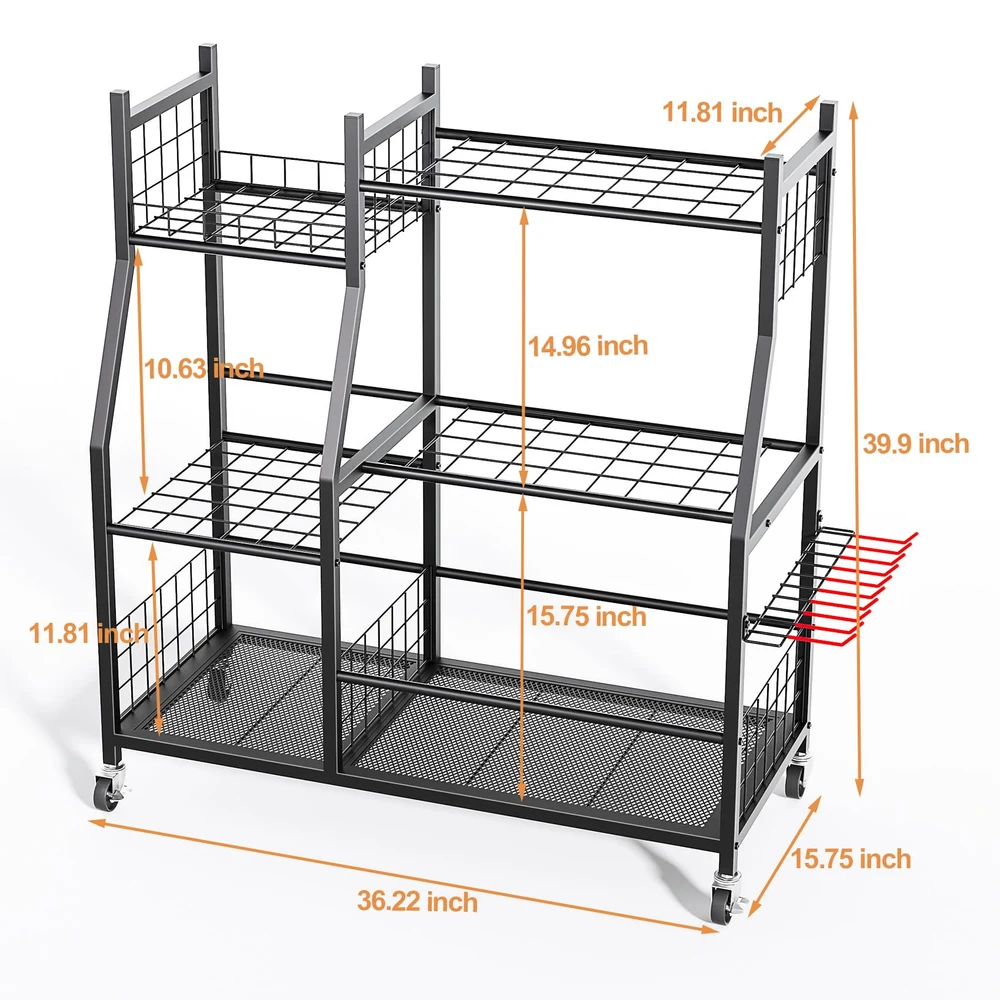
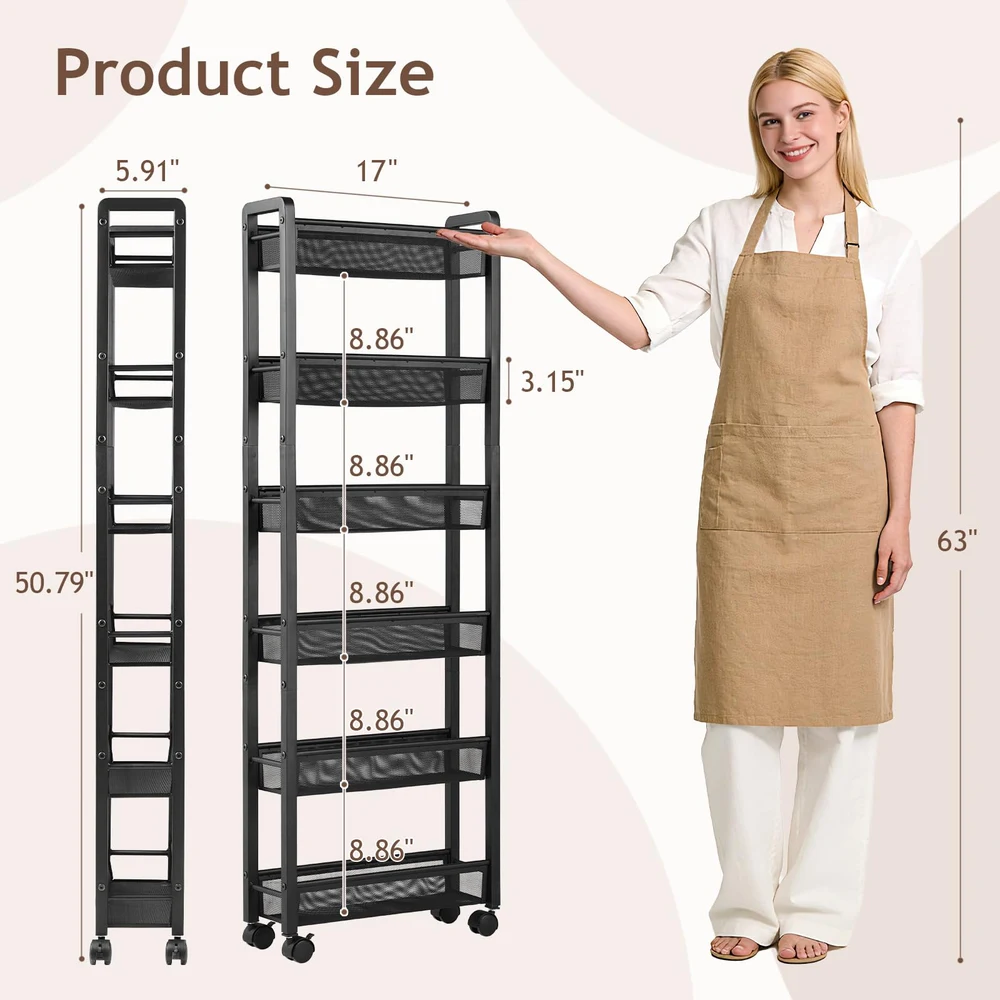
A narrow cart must fit where it lives and move through the route where you use it. Measure handles, baseboards, door openings, and floor thresholds. Leave space to grip and pull it without scraping neighboring furniture.
Open shelves or drawers?
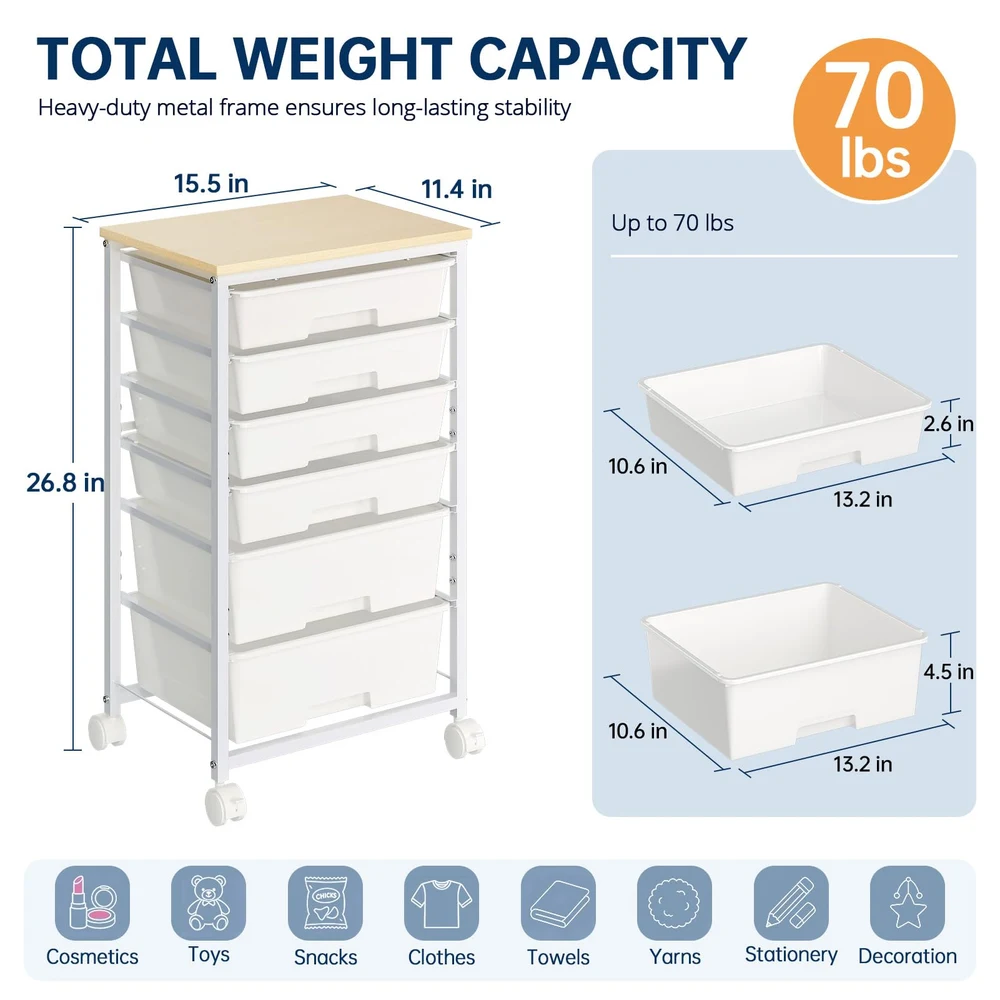
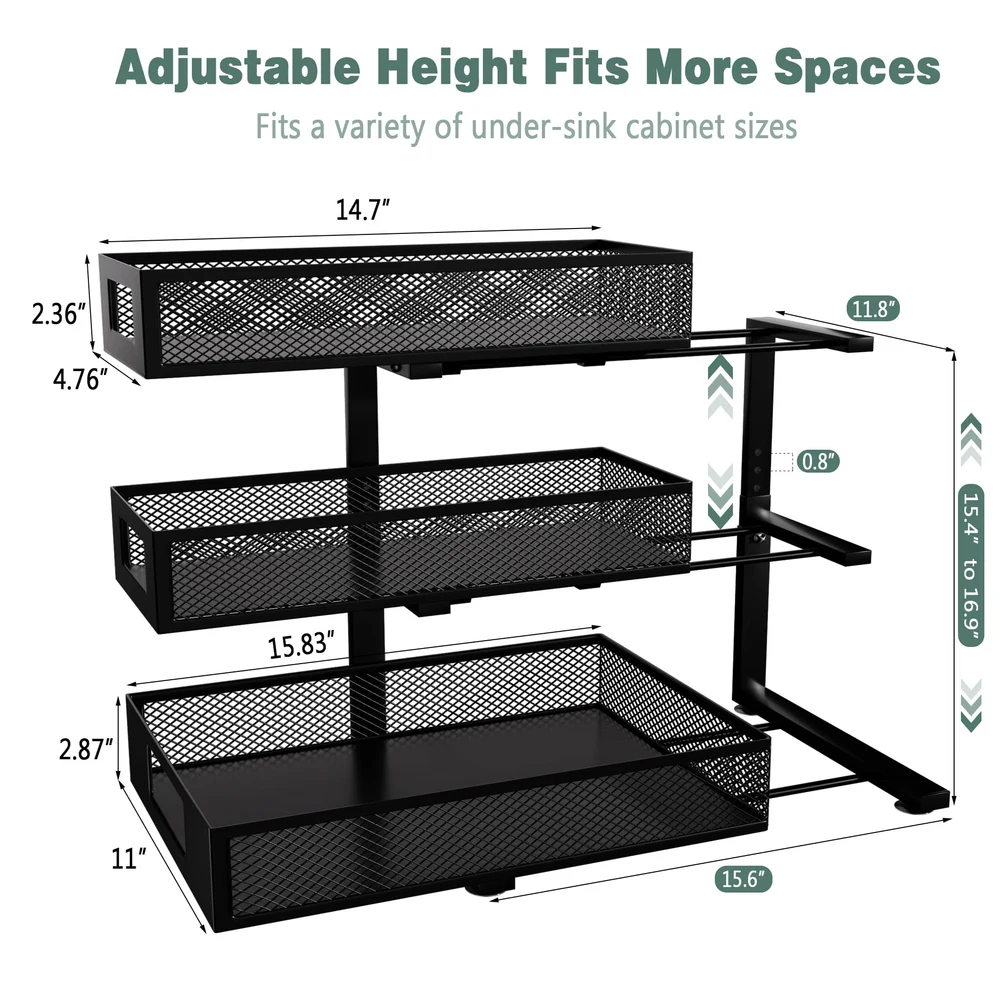
Open shelves favor items you reach for often and can see at a glance. Drawers keep categories separate but need pull-out clearance and have smaller inside dimensions than the cart itself. Compare the usable compartment, not simply the outside footprint.
Vertical storage has trade-offs.
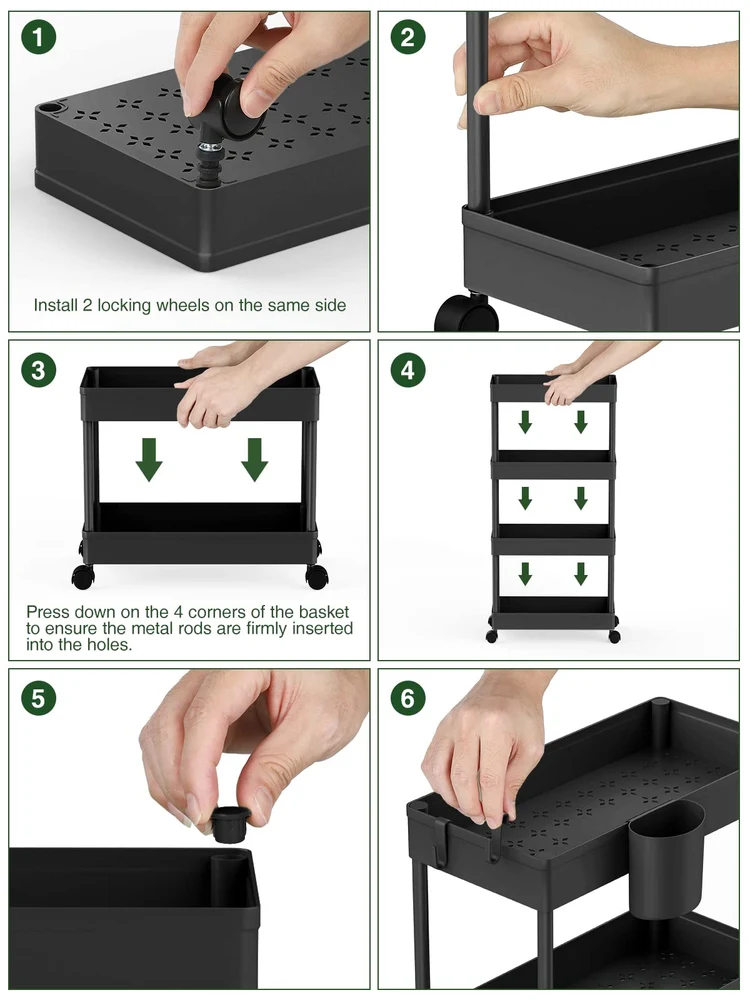
More shelves can reduce the height available for each item. Tall storage also needs appropriate loading and stability. Follow the product’s assembly and anchoring instructions, and check the specified load limits rather than estimating from the material.
Entryways need a clear walking route.
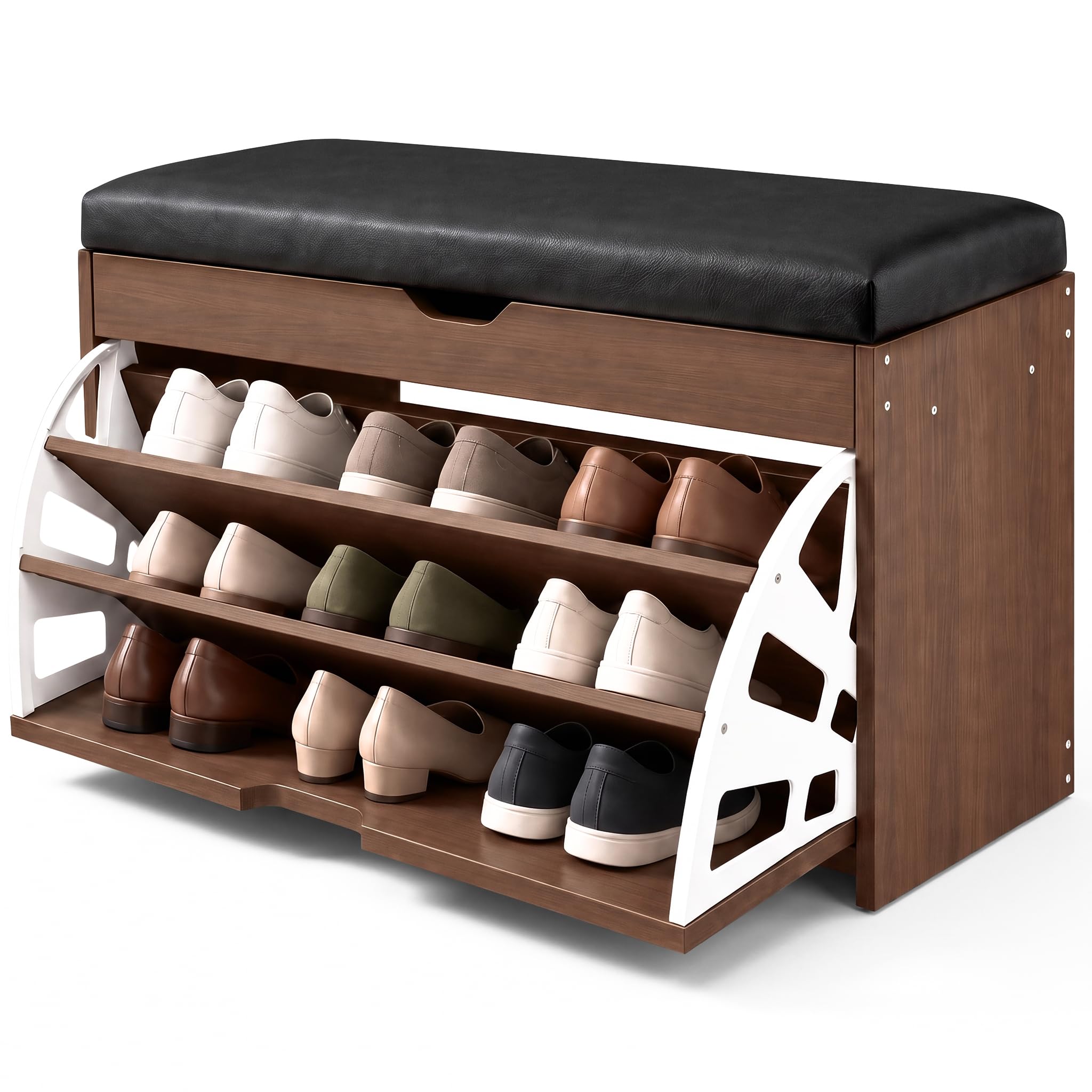
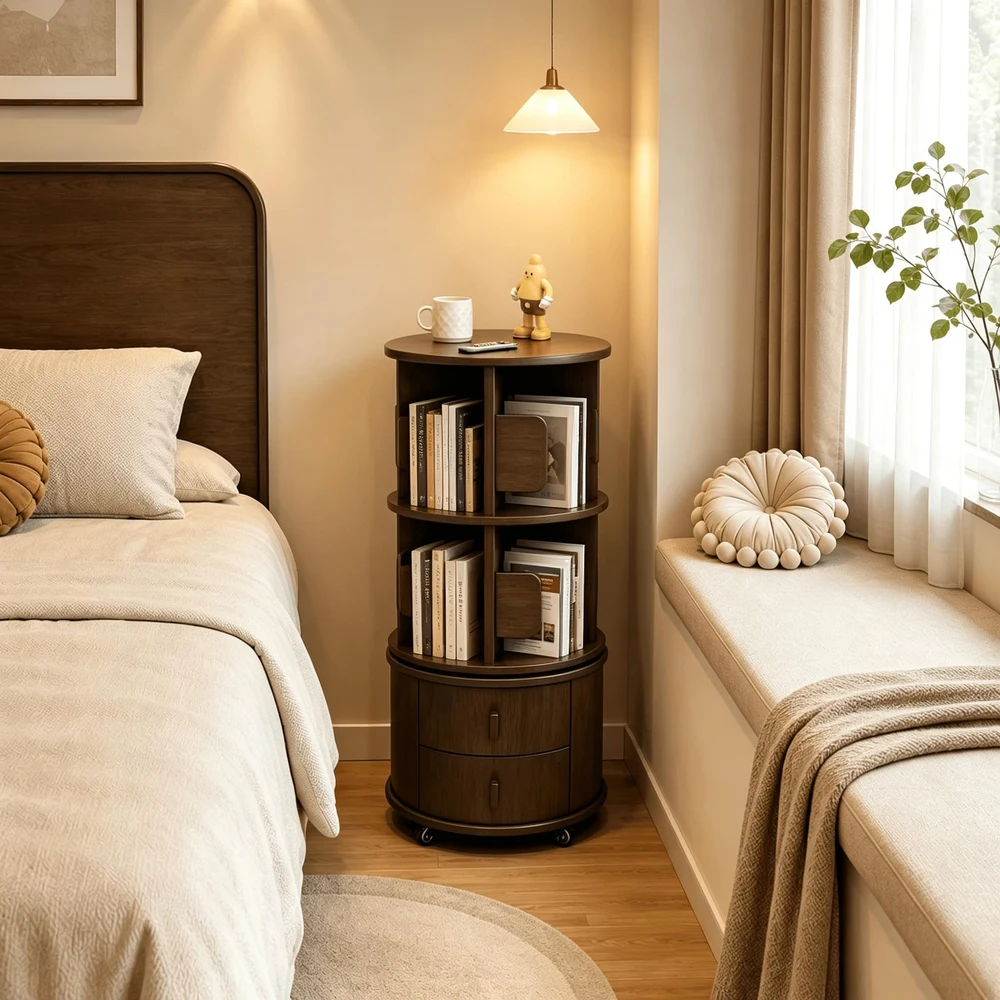
A bench combines seating and storage only if it fits the space and its stated load capacity suits the use. Rotating furniture needs clearance throughout its turn. Make a floor template before ordering and try opening nearby doors with it in place.
OPTIONS TO COMPARE
Choose for your space.
As an Amazon Associate I earn from qualifying purchases. Links to Amazon are affiliate links; Feloper may receive a commission. Product information is based on listing research, not hands-on testing.
Product details and images reference the linked Amazon listings, checked September 20, 2026. Availability, specifications, and variants can change. Confirm the selected option on Amazon before purchase.